


2026 Range Rover Sport SV, SV Black & SV Carbon: Brooklyn Buyers Guide
Quick Answer: 2026 Range Rover Sport SV Family
SV starts the performance flagship trio at $152,000 MSRP, SV Black at $161,600, and SV Carbon at $170,200, all before Land Rover’s $1,850 destination charge. All three share the same specially tuned P635 twin-turbo V8 — 626 hp, 553 lb-ft (590 with launch control) — good for 3.6 seconds to 60 mph and a claimed 180-mph top speed on Black and Carbon when fitted with the carbon-fiber hood, the most power Land Rover has ever put in a production Range Rover. What separates the three is finish and material, not mechanical output: SV Black goes monochrome with a body-colored carbon-fiber hood and gloss-black trim, SV Carbon adds exposed or painted carbon-fiber panels and a choice of forged or twill carbon interior finishers. No EPA fuel-economy figure is yet reliably published for this powertrain — expect real-world numbers in the neighborhood of the less powerful Autobiography’s V8, and confirm the window sticker at delivery.
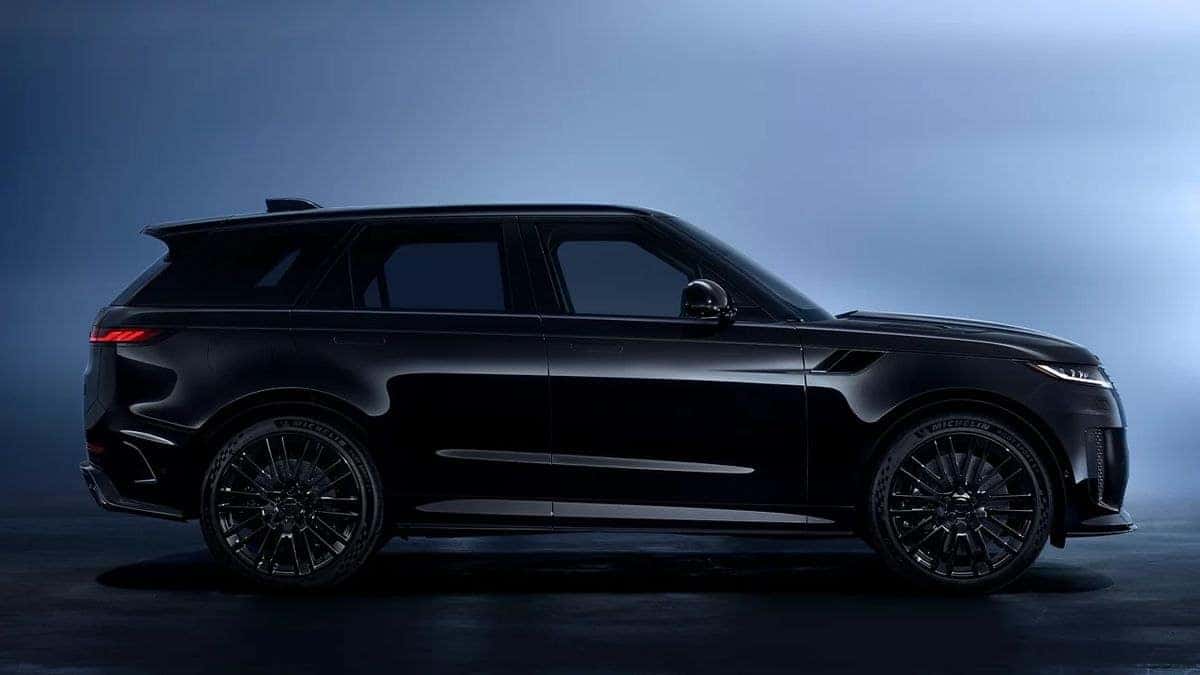
The most powerful production Range Rover Land Rover has built
SV isn’t a trim so much as a reengineering exercise: 6D Dynamics air suspension that virtually eliminates body roll in real time, an SV Performance Braking System with dual-cast discs and specially designed calipers, ultra-lightweight forged 23-inch wheels, and — pressing a single button on the steering wheel — SV Mode, which lowers ride height, sharpens throttle response, quickens gear changes, and intensifies the exhaust note while the cabin lighting shifts red. The Body and Soul Seat (BASS) system, standard across the SV family, uses studio-grade haptic feedback synced to the audio system, so bass isn’t just heard through the Meridian speakers, it’s felt through the seat bolsters.
Mechanically, SV, SV Black, and SV Carbon are the same vehicle: the same 626-hp P635 V8, the same 6D Dynamics chassis, the same SV Performance Seats and Edge Illuminated Paddle Shifters. The differences are finish-deep but genuine. SV Black commits to a monochrome look — Narvik Black paint, a body-colored carbon-fiber hood, 23-inch Forged Gloss Black wheels, gloss-black brake calipers, and a Kvadrat-and-leather cabin. SV Carbon goes further into motorsport materials: forged polished dark grey wheels, a choice of exposed or painted carbon-fiber hood, a carbon-fiber engine cover, and forged-carbon seatback shells, with Satin Forged Carbon interior trim throughout.
What the numbers actually require
Two headline figures — 3.6 seconds to 60 and 180 mph — carry real fine print worth knowing before you configure. The 3.6-second run requires the optional carbon-fiber wheels and carbon-ceramic brakes; without them, a standard SV is still extremely quick, just not quite at that number. The 180-mph top speed requires the carbon-fiber hood, which comes standard on SV Black and SV Carbon but is an option on the base SV. If those two figures are why you’re buying an SV, confirm the build sheet reflects the options that unlock them before you sign.
Is SV overkill for Brooklyn?
Fair question for a car this capable pointed at the BQE. The honest answer: most SV buyers we see aren’t chasing a 3.6-second sprint on Ocean Parkway — they’re buying the sound, the seat, the finish, and the knowledge that the same chassis that does 3.6 seconds at a track day can also glide over a pothole on Neptune Avenue without complaint. If that combination doesn’t move you and the price gap gives you pause, Autobiography‘s 523-hp V8 covers the same daily-driving territory for over $30,000 less.
What buyers say
Land Rover Brooklyn’s reviews skew heavily toward SE, Dynamic SE, and Autobiography purchases — expected, given SV’s price point and lower volume — but the store’s broader review base speaks directly to what an SV buyer should expect from the ownership experience: repeated praise for sales consultants who, as one reviewer put it, provide “honest conversations, consistent communication, and a willingness to answer every question,” and a finance team described as offering “multiple Extra package and maintenance options plans” without pressure to add them.
Frequently asked questions
What’s the difference between SV, SV Black, and SV Carbon?
All three share the 626-hp P635 V8 and 6D Dynamics chassis. SV Black is a monochrome exterior/interior treatment with a standard carbon-fiber hood; SV Carbon goes further with exposed or painted carbon-fiber body panels, forged carbon interior trim, and the most track-oriented wheel and finish options in the range.
What’s the fuel economy on an SV?
Not yet reliably published for this specific powertrain as of this writing — treat any specific mpg figure you see quoted online with skepticism until the window sticker confirms it, and budget closer to the less powerful Autobiography V8’s real-world economy as a starting estimate.
Do I need the carbon-fiber wheel and brake options to buy an SV?
No — those options unlock the specific 3.6-second 0-60 and, on the base SV, the 180-mph top speed. A standard SV without them is still a 626-hp performance SUV; the options sharpen an already very quick baseline.
Is SV available with the plug-in hybrid or the smaller six-cylinder engines?
No — the P635 V8 is the only engine offered across SV, SV Black, and SV Carbon. Buyers who want a hybrid or inline-six should look at Dynamic SE.
How do I order or check current SV availability?
Land Rover Brooklyn’s inventory reflects current SV-family stock; given the trim’s lower production volume, a factory order through the dealership is common for a specific SV Black or SV Carbon configuration.
The bottom line
SV, SV Black, and SV Carbon are the same extraordinary engineering exercise wearing three different finishes — buy the trim, then decide how far into carbon fiber and monochrome you want the finish to go. It’s the Range Rover Sport with nothing held back.
MSRP figures exclude Land Rover’s $1,850 destination/handling charge plus taxes, title, license, and retailer fees, all due at signing; the dealer sets the actual selling price. Power, torque, acceleration, and top-speed figures are manufacturer-published for the P635 engine; certain figures require specific optional equipment as noted. No EPA fuel-economy figure for the P635/SV powertrain is confirmed as of this writing — do not rely on third-party mpg estimates without checking the window sticker. Equipment and availability can shift with configuration and production timing, and SV-family builds may require factory order; confirm current specs and lead times with Land Rover Brooklyn. Customer quotes are excerpts from public Google reviews of Land Rover Brooklyn describing the dealership’s broader sales experience.
More Range Rover Sport research from Land Rover Brooklyn
- 2026 Land Rover Range Rover Sport: Brooklyn Buyers Guide
- 2026 Range Rover Sport SE: Brooklyn Buyers Guide
- 2026 Range Rover Sport Dynamic SE: Brooklyn Buyers Guide
- 2026 Range Rover Sport Autobiography: Brooklyn Buyers Guide
- 2026 Range Rover Sport: Brooklyn Service & Repair Guide
- 2026 Range Rover Sport: Brooklyn Pricing & Leasing Guide
- 2026 Range Rover buyers guide
- All model research guides